Metal fabrication is the set of activities involving the design, processing, assembly and installation of metal elements intended for the construction of structures, components and industrial systems. When talking about metal fabrication or industrial metal fabrication, therefore, the reference is not only to the processing of iron or steel, but to a broader technical process that transforms raw material into a finished, functional and safe metal structure.
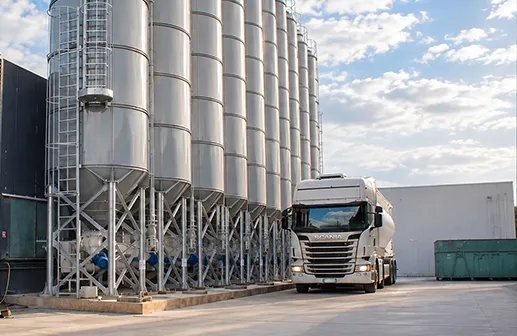
In the industrial sector, metal fabrication plays a fundamental role in the construction of frames, bases, walkways, stairs, hoppers, supports, load-bearing structures and storage systems. Silos also fall within this field: a silo, in fact, is not simply a container, but a metal construction designed to withstand loads, pressures, stresses and specific operating conditions.
For companies such as Poggi, metal fabrication is an integral part of the production of solutions for the storage and handling of bulk materials and liquid materials: from steel silos to bolted silos, from vertical silos to the horizontal silo, through to the accessory structures needed to ensure stability, safety and operational continuity.
Metal fabrication: meaning and definition
When searching for metal fabrication meaning, the reference is to the set of processes that make it possible to transform iron, steel and other metal materials into finished structures. The metal fabrication definition therefore includes technical activities such as cutting, bending, rolling, welding, drilling, assembly, painting and installation.
Metal fabrication can involve simple elements, such as supports or brackets, or complex structures, such as silos, hoppers, walkways, frames and integrated systems for production plants. In all cases, the result must meet precise requirements for strength, functionality, safety and long-term durability.
For this reason, metal fabrication cannot be considered a generic process. Each project requires technical expertise, suitable materials, dimensional checks and the ability to integrate the metal structure into the production context in which it will be installed.
Metal fabrication and industrial metal constructions
At Poggi, metal fabrication is a fundamental in-house expertise for the creation of structures and solutions intended for the storage and handling of bulk materials. It is not a generic process, but a set of technical activities that include design, processing, assembly and integration of metal components within complete industrial systems.
The metal constructions produced by Poggi include steel structures, supports, bases, hoppers, frames, load-bearing structures and functional components intended for silos, discharge systems, handling and dosing. Each element is designed to ensure mechanical strength, dimensional accuracy, safety and correct integration with the customer’s production process.
The construction of metal structures therefore requires a complete design vision. It is not enough to produce individual parts: loads, geometries, installation constraints, accessibility, maintenance and operating conditions must be assessed. This is even more important for silos, where the structure must contain bulk materials, support technical accessories and ensure correct operation over time.
Structural metal fabrication and steel structures
Structural metal fabrication refers to the construction of load-bearing elements or structures subject to significant loads. It can include frames, bases, supports, stairs, walkways, steel structures and components designed to support machinery, storage systems or parts of a plant.
Steel structures are used in many industrial contexts because they offer strength, durability and customisation possibilities. Steel makes it possible to produce solid components suitable even for complex operating environments, where stability, safety and long service life are required.
Metal structures can be designed to perform different functions: supporting, containing, protecting, connecting or handling. In the case of industrial silos, the metal structure must ensure both material containment and correct integration with loading, unloading, dosing, weighing and safety systems.
Metal fabrication processing: what phases does it include?
Metal fabrication processing includes all the operations required to transform sheets, profiles and metal components into a finished structure. Each phase must be carried out with precision, because it directly affects the quality, safety and durability of the final product.
The main metal fabrication processes include:
- cutting of metal sheets and profiles;
- bending and rolling;
- welding of components;
- drilling and preparation of connections;
- fabrication assembly;
- installation of metal structures;
- surface treatments and painting;
- dimensional checks and technical inspections.
In the case of metal silo construction, these processes become even more specific. The silo body, support structure, legs, reinforcements, flanges, discharge cones and accessories must be designed and manufactured in a coordinated way.
Correct welding, a well-sized structure and precise assembly are fundamental elements for ensuring durability, safety and consistent performance over time.
Fabrication assembly and installation of metal structures
Fabrication assembly is the phase in which the different metal components are joined together to form a complete structure. It can take place in the workshop or directly on site, depending on the size of the structure, the type of product and the logistical requirements.
The installation of metal structures is a decisive phase, especially for large industrial structures. Installation must comply with the project, dimensional tolerances and the required safety conditions. An error at this stage can compromise the stability of the structure or its correct integration with technical accessories.
In the case of silos, installation can take place directly in the factory, as with monolithic silos, or on site, as with bolted silos. In both cases, each element must be correctly integrated with dust filters, safety valves, level indicators, fluidization systems, screw conveyors for silos, vibrators and weighing systems.
Special metal fabrication for industrial applications
Special metal fabrication refers to custom-made structures and components designed to meet specific operating requirements. These are not standard products, but solutions developed according to the production context, the material to be handled, the available spaces and the required performance.
In the case of silos, special metal fabrication may involve storage capacity, diameter, height, discharge type, support structure, transport, painting, accessories and integration with other handling systems.
Metal fabrication therefore becomes a design tool, not only a production phase. Through correct metal fabrication processing, it is possible to create industrial solutions that combine strength, functionality, safety and operational continuity.
Metal fabrication and silos: why are they connected?
The connection between metal fabrication and silos is direct. An industrial silo is a metal construction made up of several elements designed to work together: storage body, support structure, discharge cone, safety accessories, loading systems and emptying devices.
Silo production requires industrial and structural metal fabrication expertise, because each structure must be sized according to capacity, stored material, loading and unloading methods, installation conditions and required accessories.
A silo can be vertical, horizontal, monolithic, telescopic or bolted. In every case, metal fabrication is the basis of its construction. Dimensions, transport, assembly and installation type may change, but the ability to transform steel and metal components into a complete industrial solution remains central.
Bolted silos and modular fabrication
Bolted silos are an important example of metal fabrication applied to modular structures. In this case, the silo is not transported as a single body, but in separate elements that are assembled on site.
This solution is particularly useful when large storage capacities, large diameters or situations in which transporting a monolithic silo is not possible are required. Modular fabrication makes it possible to optimise logistics and create customised structures for large industrial plants, port terminals or centralised storage systems.
In bolted silos, fabrication assembly and installation of the metal structures must be carried out with precision, because the final stability depends on the correct connection between the different elements.
Horizontal silo and industrial metal fabrication
The horizontal silo is also an example of industrial metal fabrication applied to storage. Unlike vertical silos, the horizontal silo is designed for mobility requirements, quick installation and reduced foundation works.
In this case, metal fabrication must ensure structural strength, stability and integration with loading, unloading and handling systems. The frame, silo body, supports, loading inlets, valves and screw conveyors must be designed as part of a single system.
For this reason, metal fabrication applied to silos does not concern only the construction of the container, but the entire functionality of the solution. A silo must be robust, but also easy to use, safe, accessible and suitable for the production process in which it is installed.
Storage silos, accessories and handling systems
Storage silos are designed to contain bulk materials and make them available in the subsequent phases of the production process. To function correctly, they must be integrated with specific accessories and systems.
The most important elements include the screw conveyor for silos, the silo vibrator, dust filters, safety valves, level indicators and weighing systems for silos. Each accessory contributes to safety, operational continuity and correct material emptying.
Correct silo sizing must therefore consider not only capacity, but also the material to be stored, its behaviour during loading and unloading, the handling system and the necessary accessories.
Steel silos and metal silo construction
Metal silo construction is one of the clearest examples of industrial metal fabrication. Building a silo does not simply mean creating a container: it means designing a structure capable of interacting with the entire production process.
Iron silos, steel silos and silos made of steel must ensure stability, strength and durability over time. They must also be compatible with the transport, installation, loading, unloading, weighing and maintenance systems required by the plant.
For this reason, silo production requires a set of skills: knowledge of materials, mechanical processing, structural metal fabrication, assembly, installation, technical accessories and the ability to customise the solution according to the customer’s needs.
Metal fabrication and customisation
One of the advantages of metal fabrication is the possibility of creating customised solutions. Each industrial sector has different needs: materials to be stored, available spaces, transport constraints, specific capacities, dedicated accessories and particular environmental conditions.
In the case of silos, customisation may involve capacity, diameter, height, configuration, discharge systems, painting, accessories and integration with other handling systems.
This ability to adapt is particularly important in industrial applications, where each plant requires a solution consistent with the production process and with the objectives of efficiency, safety and operational continuity.
Conclusion
Metal fabrication means the set of processes that make it possible to transform iron, steel and other metal materials into industrial structures, technical components and functional systems. In the storage sector, metal fabrication is the basis for the construction of silos, hoppers, frames, supports and load-bearing metal structures.
Silos are one of the clearest examples of industrial fabrication: they are metal structures designed to contain, protect and make material available during the different phases of the production process.
From fabrication processing to the production of steel silos, from the installation of metal structures to fabrication assembly, each phase contributes to the creation of a safe, efficient and durable solution. For this reason, metal fabrication is not only a process, but an essential technical expertise for the construction of complex industrial structures.